English
 Français
 Pусский
 Español
 Português
 ไทย
ไทย العربية
 िन्दी
िन्दी Indonesia
Solutions personnalisées pour l'entretien des voies

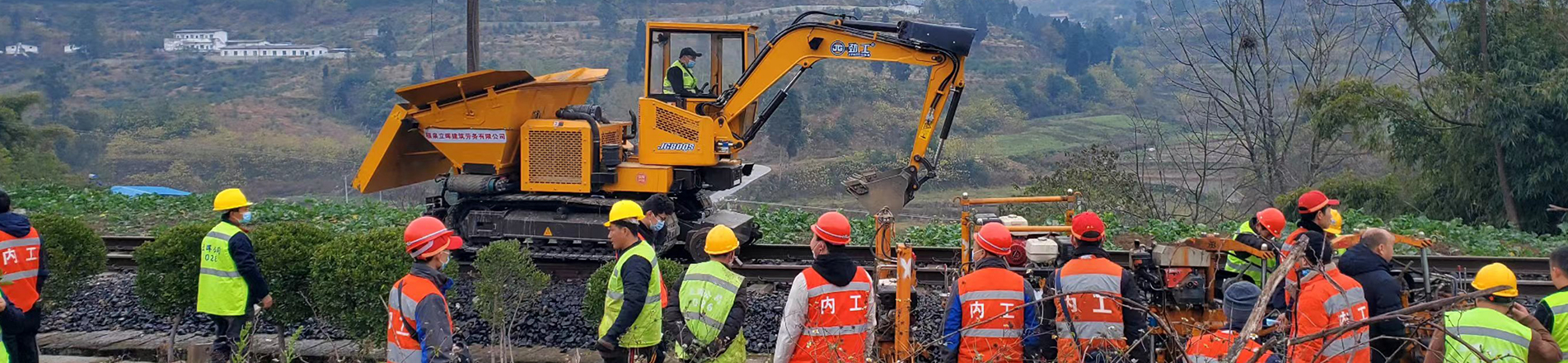
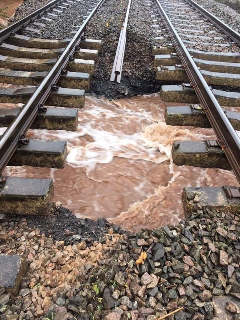
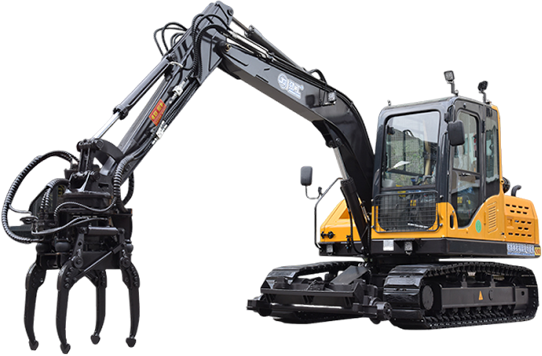
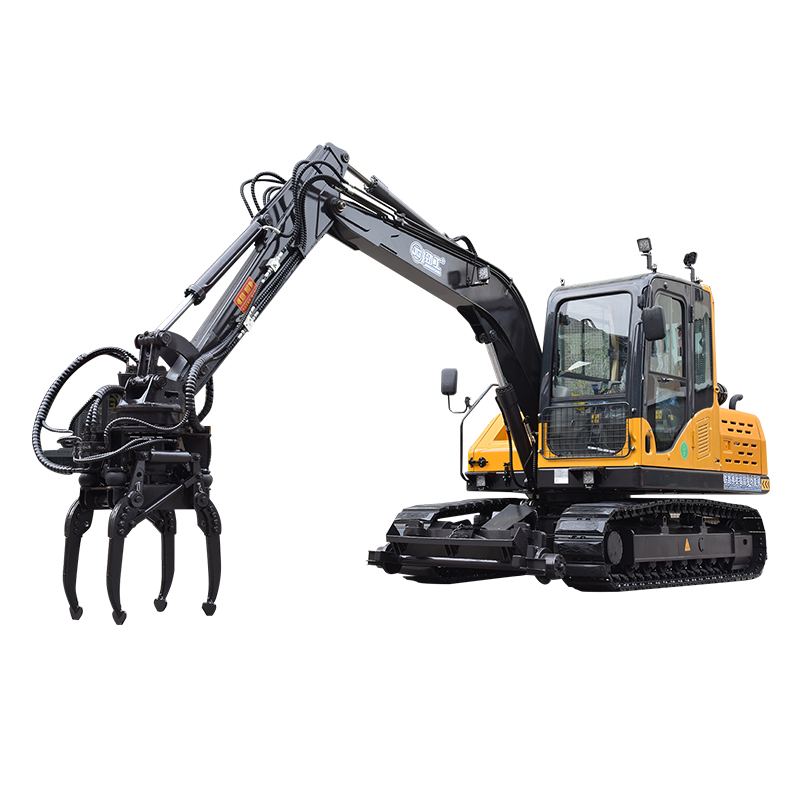
L'entretien du ballast ferroviaire repose traditionnellement sur l'intervention conjointe de plusieurs machines. Pour les réparations localisées, les entreprises ont souvent besoin d'une…excavatricepour retirer le ballast contaminé, unchargeurpour manipuler les matériaux,camionspour le transport et la main-d'œuvre supplémentaire pourdépistageetremblayage.
Bien que cette méthode fonctionne, elle engendre également des difficultés en termes de main-d'œuvre, de coordination, d'efficacité et de coûts d'exploitation.
Alors que les opérateurs ferroviaires se concentrent de plus en plus sur la réduction des coûts de maintenance et l'amélioration de l'efficacité,machines de criblage de ballast intégréesdeviennent une alternative intéressante.
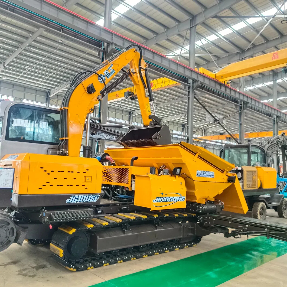
Le problème de l'entretien traditionnel du ballast
Un projet typique de réhabilitation de ballast comprend plusieurs étapes distinctes :
Excavation de ballast contaminé
Transport de matériel pour le criblage
Séparer le ballast réutilisable des déchets
Déplacer le ballast tamisé vers la zone de travail
Réinstallation du ballast dans la structure de la voie
Chaque étape requiert généralement un équipement et des opérateurs différents.
Par conséquent, les projets peuvent devenirà forte intensité de main-d'œuvre,prend du temps, etcher—surtout lorsqu’il s’agit de courts tronçons de maintenance plutôt que de renouvellements de voies à grande échelle.
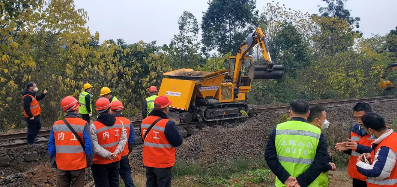
Une machine, un flux de travail continu
Les équipements modernes de criblage du ballast proposent une approche plus rationalisée.
Au lieu de répartir le travail entre plusieurs machines, une seule machine peut effectuer :
Excavation– retirer le ballast contaminé directement de la voie ferrée.
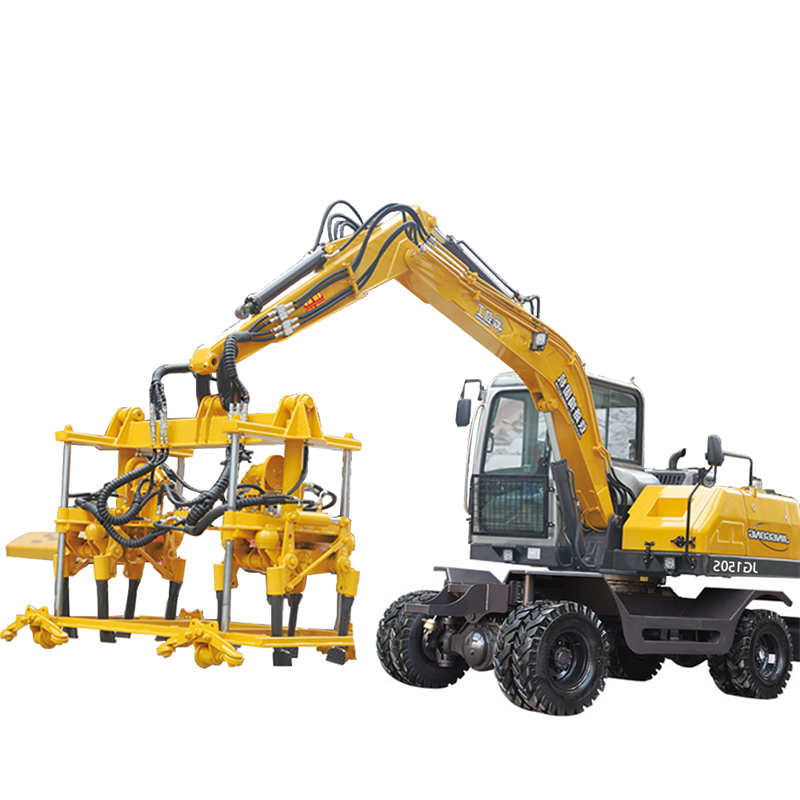
Dépistage– séparer le ballast réutilisable de la terre, de la poussière et autres impuretés.
Transport– Transfert automatique des matériaux traités pendant le fonctionnement.
remblayage– remettre le ballast réutilisable directement sur la structure de la voie.
En intégrant ces fonctions dans une seule machine, la manutention des matériaux est minimisée et le flux de travail global devient beaucoup plus efficace.efficace.
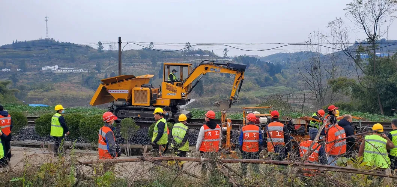
Là où l'équipement intégré offre le plus de valeur
Tous les projets ferroviaires ne nécessitent pas un train de nettoyage de ballast de grande taille.
Dans de nombreux cas, les travaux de maintenance se concentrent sur des zones problématiques spécifiques oùflexibilitéCela compte plus que la capacité de production maximale.
Aiguillages et commutateursCes zones sont souvent difficiles d'accès et nécessitent un entretien précis. La présence de plusieurs machines peut rapidement engendrer un encombrement dans un espace de travail restreint.
Voies ferrées de la gare– Les fenêtres de maintenance sont généralement courtes, ce qui rend le déploiement rapide etfonctionnement efficaceparticulièrement important.
Chemins de fer portuaires– Les opérateurs portuaires doivent minimiser les perturbations des opérations logistiques et maintenir la disponibilité de l’infrastructure ferroviaire.
Chemins de fer miniers et industriels– L’éloignement des sites et les ressources de maintenance limitées rendent précieux le fait de réduire le nombre de machines et d’opérateurs nécessaires sur place.
Réduire la dépendance à la main-d'œuvre
L'un des plus grands défis auxquels sont confrontés aujourd'hui les entrepreneurs ferroviaires estdisponibilité de la main-d'œuvre.
L'entretien traditionnel des ballasts peut nécessiter la collaboration de plusieurs opérateurs de machines et de personnel de soutien.
Une machine de criblage de ballast intégrée simplifie le processus en combinant plusieurs tâches en une seule machine.opération unique.
Cela aide les entrepreneurs :
Réduireeffectifsexigences
Simplifier le projetcoordination
Inférieurcoûts d'exploitation
Amélioration globaleproductivité
L'objectif n'est pas de remplacer entièrement le personnel, mais de permettre à des équipes plus petites d'effectuer davantage de travaux de maintenance.efficacement.
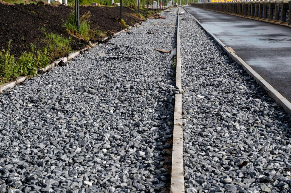
Une solution pratique pour la maintenance ferroviaire moderne
Les trains de nettoyage de ballast de grande taille restent la solution privilégiée pour les grands projets de renouvellement des voies.
Cependant, une part importante de l'entretien ferroviaire concerne les réparations localisées, l'entretien des aiguillages, les zones de gare et les réseaux ferroviaires industriels.
Pour ces applications, la capacité à compléterexcavation,dépistage,transport, etremblayageune seule machine offre des avantages évidents enflexibilité,efficacité, etcontrôle des coûts.
À mesure que les exigences en matière de maintenance évoluent,équipement de criblage de ballast intégréelle aide les exploitants ferroviaires à obtenir de meilleurs résultats avec moins de ressources tout en maintenant la fiabilité de leur infrastructure ferroviaire.