English
 Français
 Pусский
 Español
 Português
 ไทย
ไทย العربية
 िन्दी
िन्दी Indonesia
Solutions personnalisées pour l'entretien des voies

Meta Title: Railway Maintenance Equipment Guide | Sleeper Replacement & Tamping
Meta Description: A practical guide to railway maintenance equipment for sleeper replacement, ballast excavation, ballast cleaning, tamping and slope maintenance.
Primary Keyword: railway maintenance equipment
Secondary Keywords: railway maintenance machinery, railway sleeper replacement machine, railway tamping machine, ballast cleaning machine, railway excavator
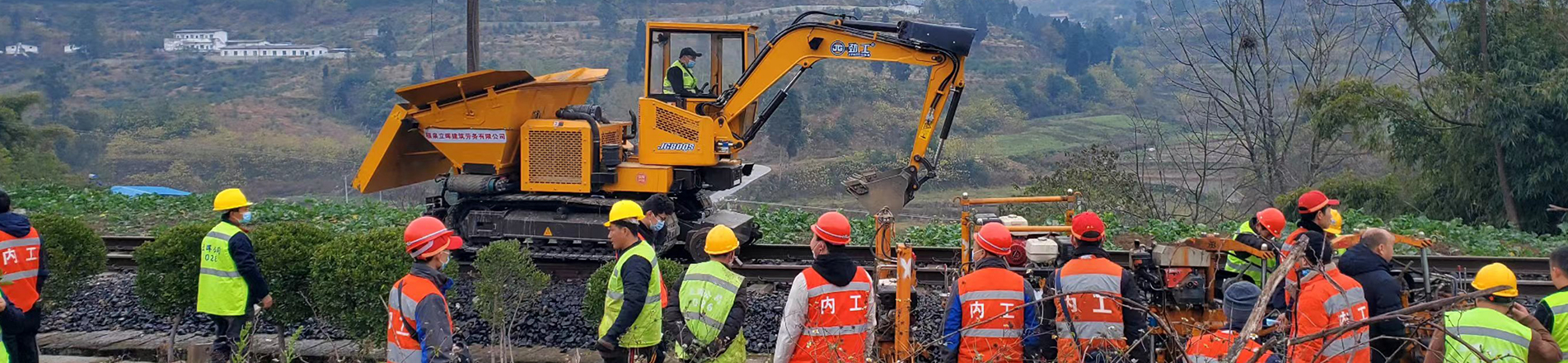
Railway maintenance is not a single operation. Different track problems require different machines, from sleeper replacement and ballast excavation to tamping, ballast cleaning and slope maintenance.
During long-term operation, railway tracks are exposed to heavy axle loads, vibration, weather and water. Sleepers may deteriorate, ballast can become contaminated, and track geometry may change.
A typical maintenance workflow can include:
Inspection → Ballast Excavation → Sleeper Replacement → Ballast Cleaning → Ballast Replenishment → Tamping → Ballast Regulation → Slope & Drainage Maintenance
The actual sequence depends on the railway condition and project requirements.
For overseas railway contractors, the key is to match the maintenance task, machine configuration and working environment rather than simply selecting equipment by tonnage.
Sleeper replacement restores the support of the rails and helps maintain correct track gauge and stability.
Railway sleepers transfer loads from the rails to the ballast. Cracked, broken or severely deteriorated sleepers may need to be replaced.
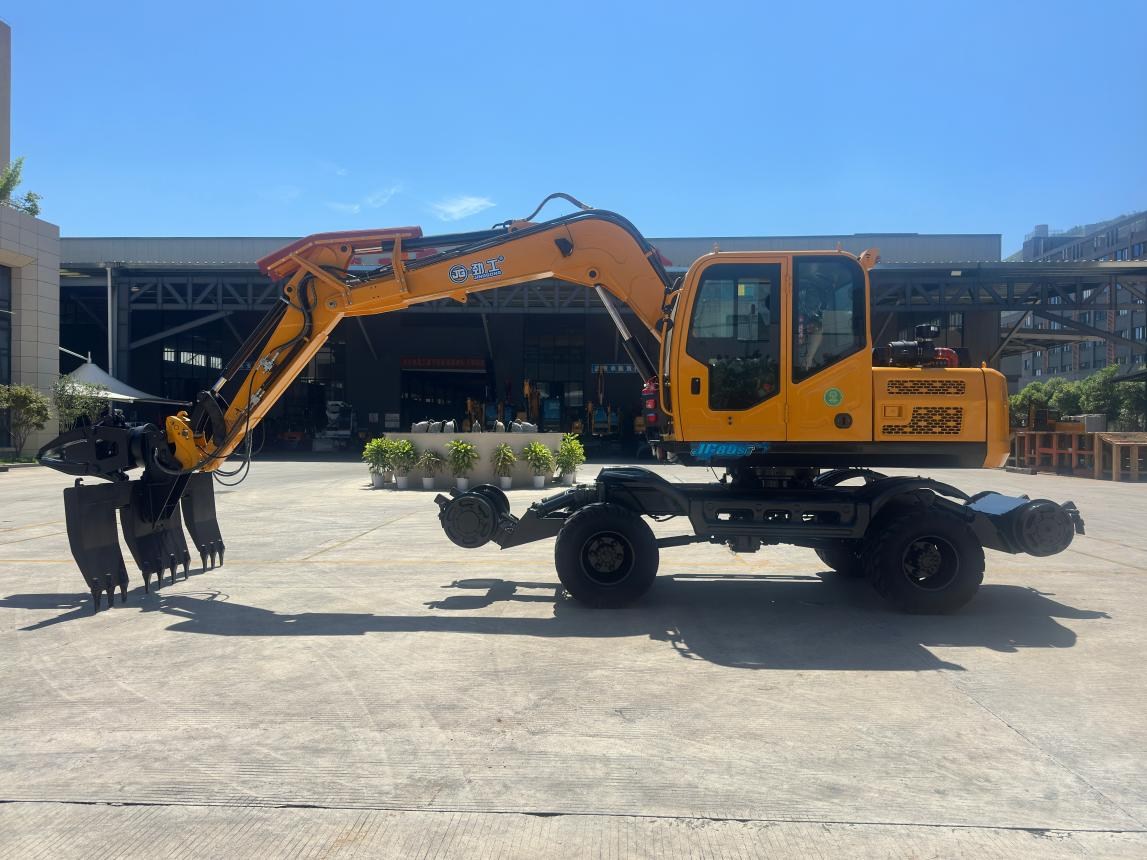
A typical process includes:
1. Remove or loosen rail fasteners.
2. Clear ballast around the sleeper.
3. Remove the old sleeper.
4. Prepare the sleeper position.
5. Install the new sleeper.
6. Reinstall fasteners.
7. Add ballast.
8. Tamp the track.
The main challenge is completing these operations within a limited railway possession window.
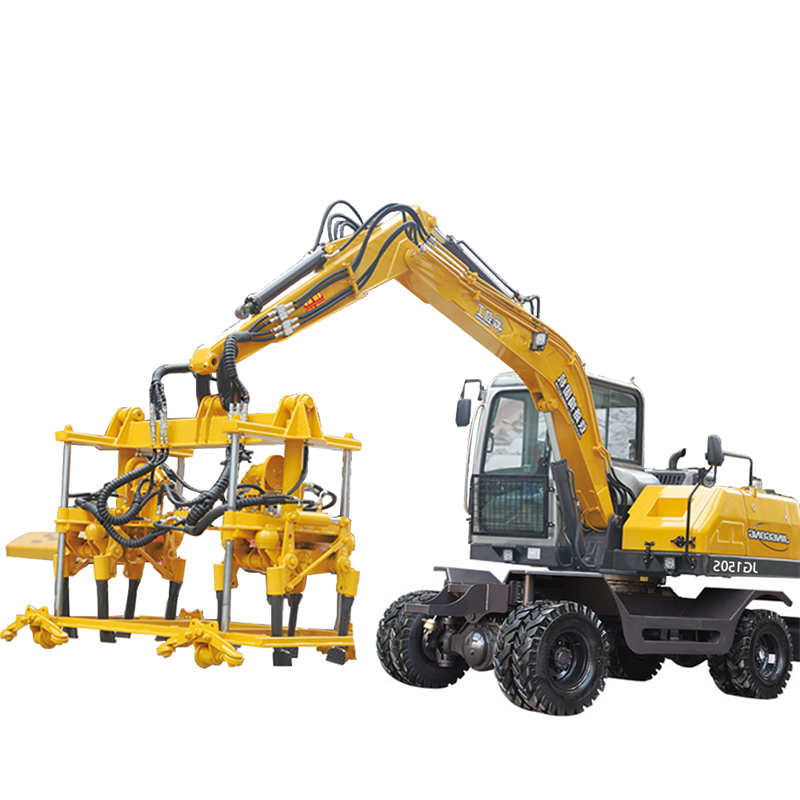
For small railway projects, mechanized equipment can reduce manual excavation and sleeper handling.
When selecting a sleeper replacement machine, check:
· Rail gauge
· Sleeper dimensions
· Lifting capacity
· Working radius
· Machine width
· Transport dimensions
· Railway running configuration
Ballast excavation creates working space, while ballast cleaning removes contaminated fines and restores the performance of the ballast bed.
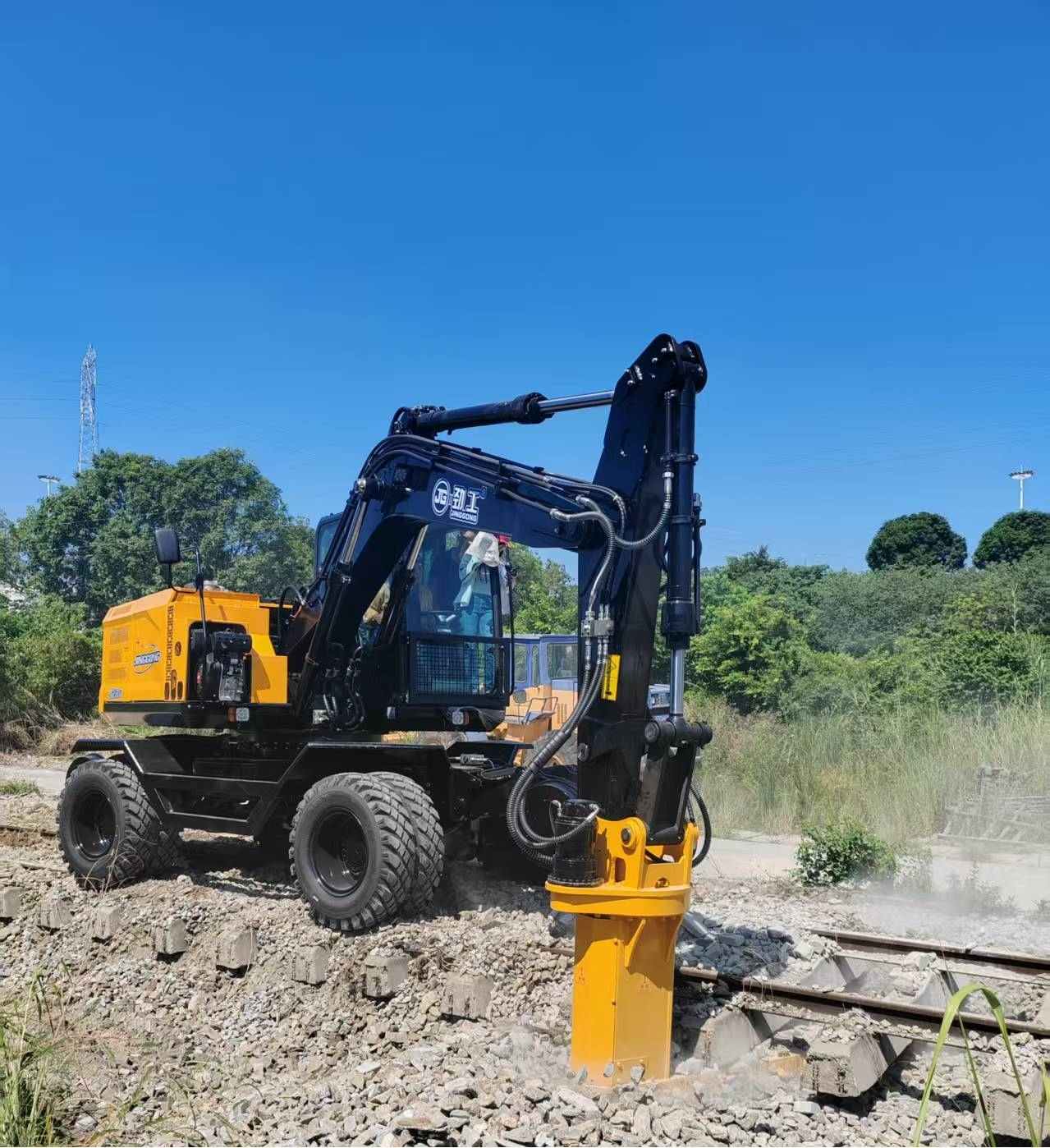
These are related but different operations.
Ballast can gradually become mixed with soil, dust and fine particles. Excessive contamination can reduce drainage performance and affect track support.
| Operation | Main Purpose | Typical Equipment |
| Ballast excavation | Remove ballast / create working space | Railway excavator, narrow bucket, grapple |
| Ballast cleaning | Separate contaminated material | Ballast cleaning / screening machine |
For example, ballast excavation may be required before sleeper replacement.
Ballast cleaning is more appropriate when the ballast itself has become heavily contaminated.
For branch lines, industrial railways, mining railways and railway yards, compact or modular equipment can be useful for localized maintenance where large continuous cleaning systems are not practical.
Tamping restores sleeper support and helps correct track geometry by redistributing and compacting ballast beneath the sleepers.
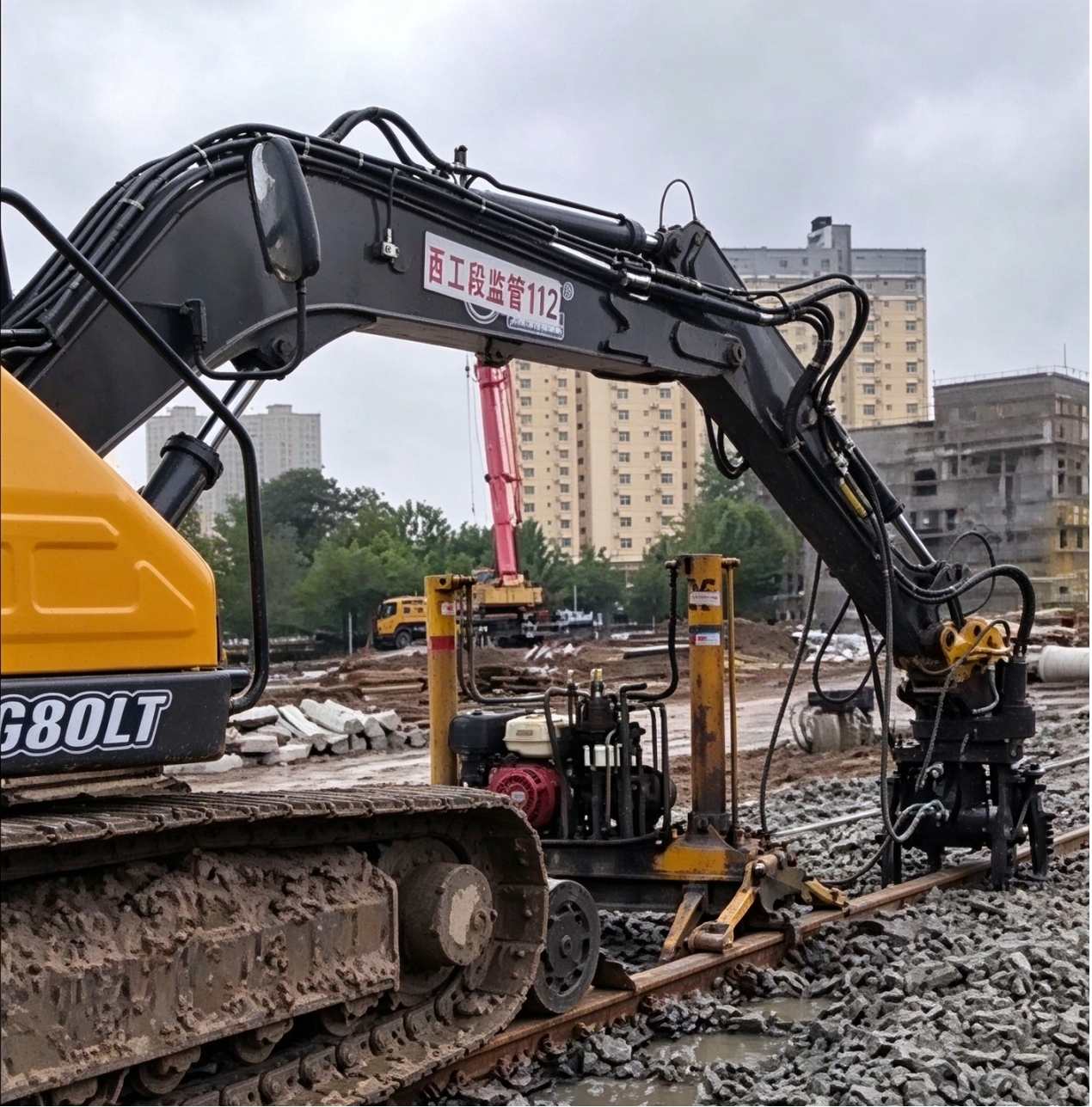
After long-term train operation, tracks can develop:
· Uneven vertical alignment
· Horizontal alignment deviations
· Local settlement
· Uneven ballast distribution
· Poor sleeper support
A railway tamping machine inserts tamping tools into the ballast around the sleepers and rearranges the ballast.
This is different from ordinary soil compaction because railway tamping must also consider track level, alignment and sleeper support.
· Branch railways
· Industrial railways
· Mining railways
· Railway yards
· Local track repairs
· Restricted-access areas
When comparing railway tamping machines, check rail gauge, tamping head configuration, tamping depth, working method, productivity and transport dimensions.
Railway maintenance extends beyond the rails: stable slopes and effective drainage are essential for protecting the railway subgrade.
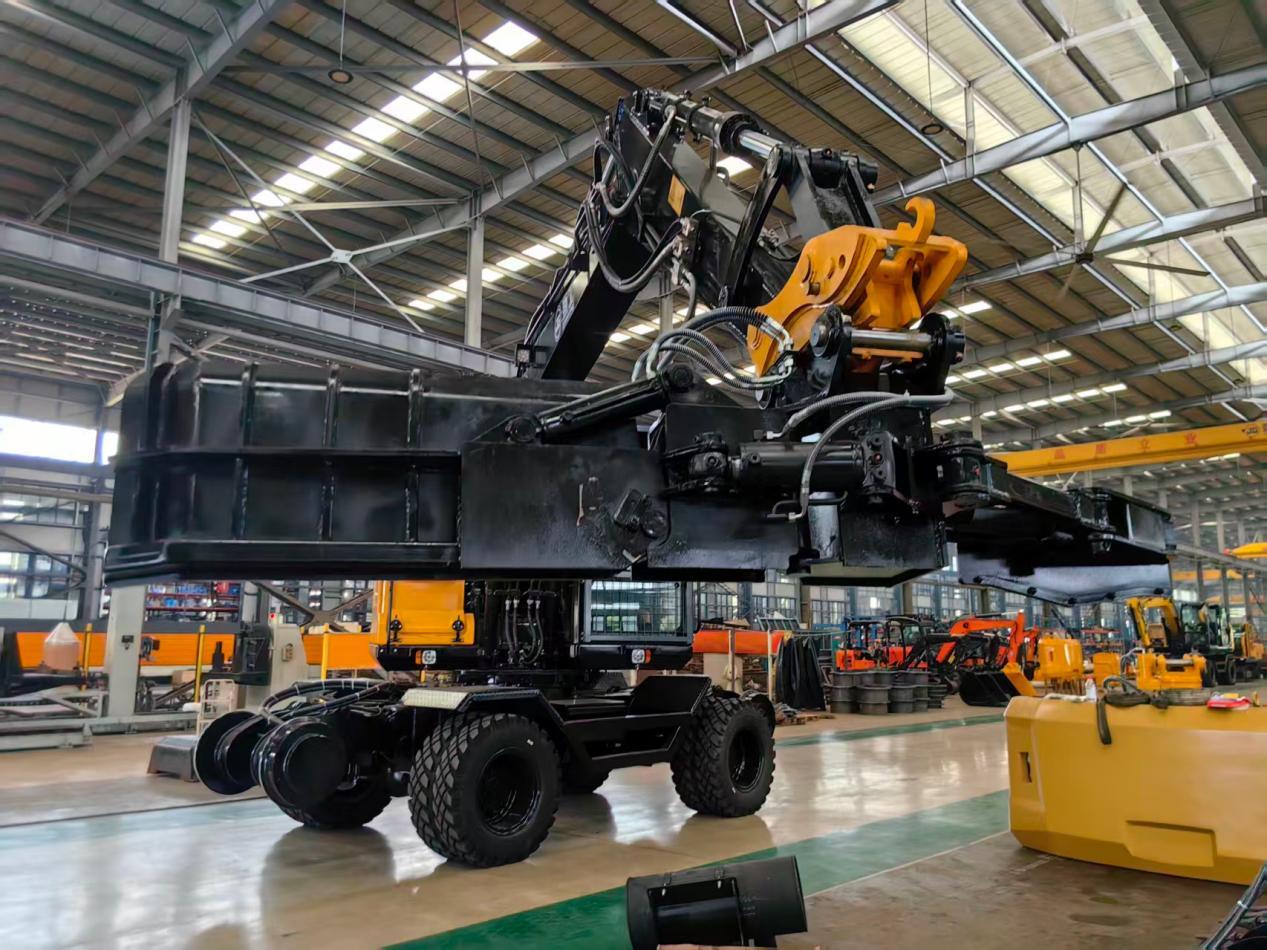
Heavy rain and surface runoff can cause:
· Slope erosion
· Soil loss
· Blocked drainage channels
· Local slope deformation
· Water accumulation around the track
Small railway excavators can be equipped with:
· Narrow buckets
· Cleaning buckets
· Grading buckets
· Slope buckets
· Hydraulic breakers
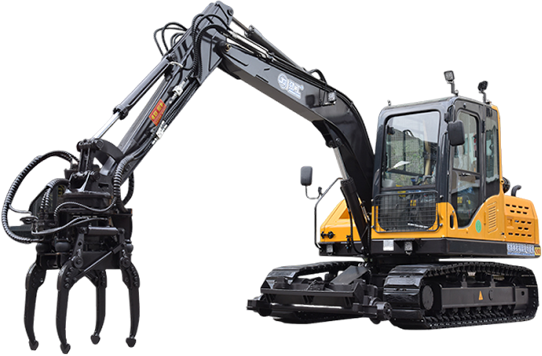
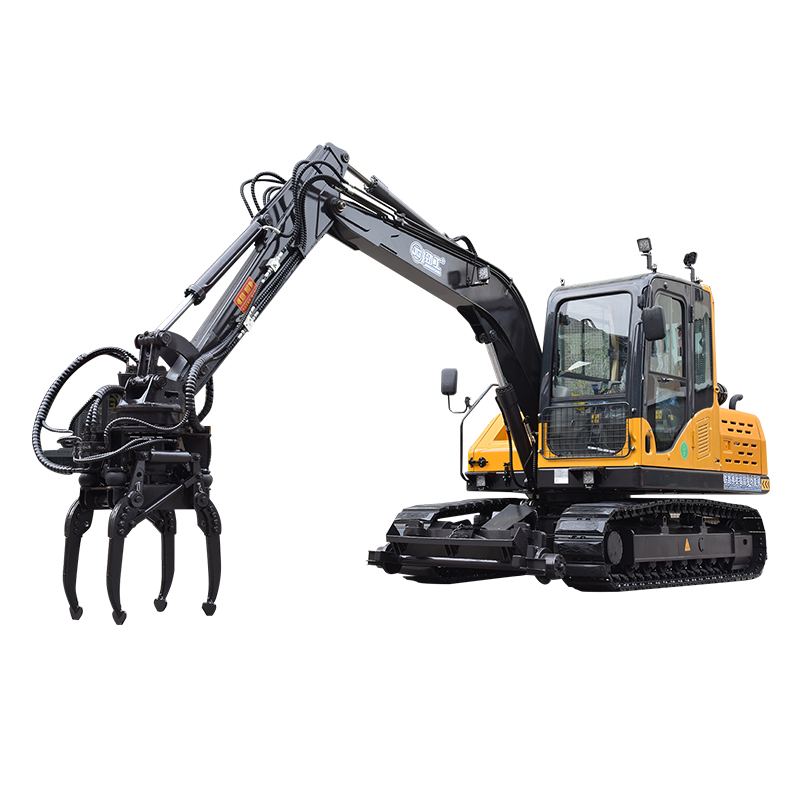
· Grapples
For this type of work, working radius, boom and arm configuration, bucket width and machine stability may be more important than engine power alone.
This is particularly relevant for mountain railways and regions with heavy rainfall.
Efficient railway maintenance depends on coordinating several machines rather than trying to use one machine for every operation.
| Maintenance Task | Recommended Equipment |
| Sleeper replacement | Sleeper replacement machine |
| Ballast excavation | Railway excavator |
| Ballast cleaning | Ballast cleaning machine |
| Tamping | Railway tamping machine |
| Ballast regulation | Ballast regulator |
| Slope maintenance | Railway excavator |
| Drainage maintenance | Excavator with ditching bucket |
The equipment combination should be determined by the actual railway maintenance plan.
For a small industrial railway, for example, one compact railway excavator may handle several supporting tasks with different attachments, while dedicated tamping or cleaning equipment handles specialized operations.
The best selection method is to start with the railway operation and work backward to the machine configuration.
Common railway gauges include:
· 1,000 mm
· 1,067 mm
· 1,435 mm
· 1,520 mm
· 1,600 mm
· 1,676 mm
The machine's railway running system must match the target track.
Do you need:
· Sleeper replacement?
· Ballast excavation?
· Ballast cleaning?
· Tamping?
· Drainage maintenance?
· Slope grading?
Different operations require different working mechanisms.
Important information includes:
· Track width
· Working space
· Maximum gradient
· Trackside obstacles
· Access roads
· Tunnel or bridge restrictions
· Expected working depth
For international projects, check:
Machine weight + transport dimensions + disassembly requirements + container/loading method.
A machine that is easy to transport can significantly simplify overseas project deployment.
Do not rely only on theoretical hourly output.
Railway work is often restricted by possession windows. Setup, positioning, transportation and relocation can all reduce actual working time.
A more useful indicator is:
How much railway maintenance work can the machine complete during one possession window?
Large machines are designed for high-volume continuous railway renewal, while compact railway maintenance machines are more flexible for localized and restricted-access work.
| Factor | Compact Equipment | Large Equipment |
| Local maintenance | Suitable | Less flexible |
| Branch/industrial railway | Suitable | Project dependent |
| Long-distance renewal | Limited | Suitable |
| Transport | More flexible | More demanding |
| Continuous production | Lower | Higher |
| Investment | Generally lower | Generally higher |
For mining railways, industrial railways, ports, railway yards and branch lines, equipment flexibility can be an important consideration.
Common equipment includes sleeper replacement machines, railway tamping machines, ballast cleaning machines, ballast regulators and railway excavators.
It redistributes and compacts ballast around and beneath sleepers to improve sleeper support and restore track geometry.
Contaminated ballast can contain excessive fines and soil, which may reduce drainage and affect ballast performance.
Not in every application. Compact equipment is generally more suitable for localized maintenance, while large systems are designed for high-volume continuous work.
For an accurate quotation, provide:
Rail gauge + railway type + maintenance task + sleeper type + working conditions + required attachments + expected workload + local emission requirements.
Railway maintenance equipment should be selected according to the actual maintenance operation, working environment and project workload—not simply machine tonnage or engine power.
The basic selection logic is:
Track Problem → Maintenance Task → Working Conditions → Machine Type → Attachment → Productivity → Transportation
Sleeper replacement focuses on removing and installing sleepers.
Ballast excavation focuses on creating working space and removing material.
Ballast cleaning focuses on separating contaminated ballast.
Tamping focuses on restoring ballast support and track geometry.
Slope and drainage maintenance focuses on protecting the railway subgrade and controlling water.
For overseas railway contractors, small railway maintenance machines can be particularly useful for branch lines, industrial railways, mining railways, railway yards and localized maintenance projects.
When requesting a quotation, provide your rail gauge, required maintenance operation, railway type, working conditions, attachments and expected workload.
With this information, a railway machinery manufacturer can recommend the appropriate machine size, railway running configuration, hydraulic system, working equipment and attachments for your project.