English
 Français
 Pусский
 Español
 Português
 ไทย
ไทย العربية
 िन्दी
िन्दी Indonesia
Solutions personnalisées pour l'entretien des voies

Meta Title: Railway Hi-Rail Machine Selection | Prioritize Track Site Conditions Over Tonnage Meta Description: Many procurement teams over-emphasize tonnage when choosing hi-rail maintenance machinery. Learn how real-world track-site conditions define fit. Compare JG80ST, JG150ST, JG150LT for branch-lines, yard turnouts, freight tracks & tunnel track-bed rehabilitation.
Lots of railway project buyers and fleet managers fall into a very common real-world purchasing trap. When shopping for hi-rail maintenance machinery, they instinctively fix their attention on machine operating weight and advertised engine power. These hard figures stand out prominently in product brochures and spec sheets, making them feel like a quick, objective way to rank competing equipment side-by-side.
From a distance, this logic seems reasonable. Bigger engines and heavier chassis often imply stronger output. But anyone who has spent time out on actual railway maintenance sites knows this simple comparison frequently leads to poor purchasing decisions. Impressive paper-based specifications do not guarantee reliable performance under real-world track-site conditions. Your local track environment — ballast quality, tunnel restrictions, turnout geometry and how often you travel between work locations — will ultimately decide whether your new hi-rail unit delivers consistent value for your project budget.
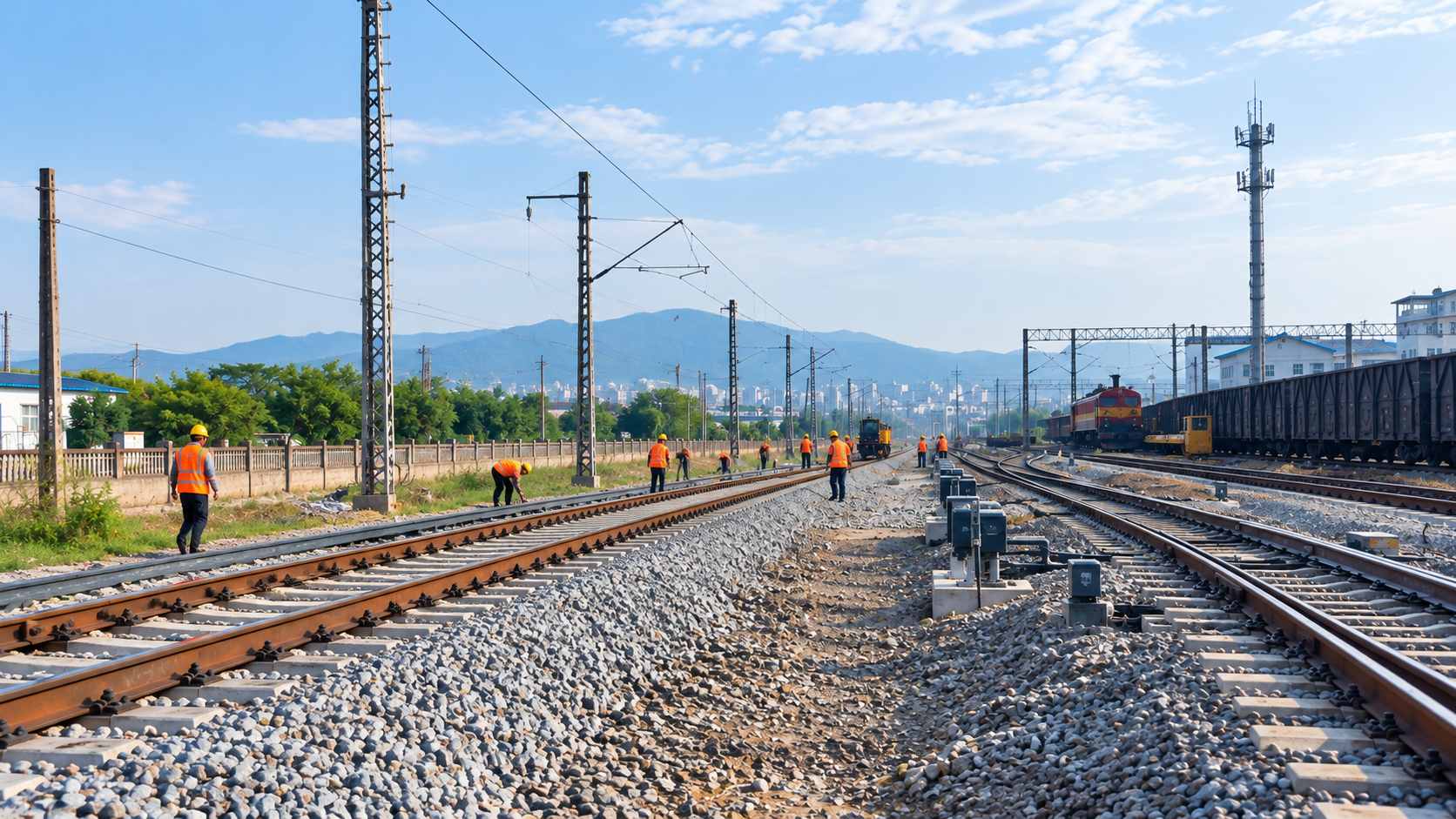
Railway maintenance work covers extremely diverse operating scenarios. Busy railway yards are packed with complex turnouts, where working clearance gets squeezed tight by switch points, signal posts and nearby track infrastructure. Rural long-distance branch-lines bring another set of headaches: ballast compaction varies drastically from one kilometre to the next. Some sections have rock-solid compacted ballast shoulders, while other stretches suffer from loose, degraded ballast and weakened subgrade bearing capacity. Freight-carrying branch-lines go through heavy cyclic load from regular train traffic, so they require large-scale periodic track renewal jobs.
Tunnel maintenance adds another whole layer of operating constraints. Inside tunnels you face limited overhead and side clearance, poor natural ventilation, damp ground conditions and degraded ballast that has collected decades of dirt and fine debris. Even two hi-rail machines with identical listed tonnage can deliver totally different stability and safety performance purely due to differences in their undercarriage design.
This article walks through three real-world production models: JG80ST, JG150ST and JG150LT. All specs come straight from our official product catalog. Before you fire off supplier inquiries, take practical stock of your own site realities: ballast and subgrade health, whether tunnel work forms part of your scope, your core daily job tasks, and how frequently your fleet must relocate across separate work zones. Once you map out those practical project factors, you can make a clear, confident call between a wheeled hi-rail machine and a crawler hi-rail excavator. We will break down exactly how each on-site condition shapes your final equipment pick.
Wheeled hi-rail machinery earns its widespread industry adoption thanks to genuine dual-mode road-and-rail travel capability. For maintenance fleets whose job sites scatter across dozens of separate locations, self-propelled road mobility removes the constant hassle and extra expense of renting flatbed trailers for every short-distance site transfer. This major operational benefit explains why wheel-type hi-rail machines dominate day-to-day maintenance assignments for branch-line networks and large railway yards.
Even with that big mobility upside, wheeled hi-rail platforms carry clear environmental limits that many purchasing teams overlook during early-stage evaluation. Their rubber-tyre ground-contact design relies entirely on firm, well-compacted ballast and stable subgrade support. Put them onto soft, degraded ballast, and sinking risk immediately becomes a serious safety concern.
Many maintenance crews make the frustrating post-purchase discovery: they bought a generously-sized hi-rail excavator, yet the machine cannot physically squeeze through narrow turnout gaps inside railway yards. That is exactly the pain point the JG80ST compact wheeled hi-rail unit was built to solve.
This 8-ton wheeled hi-rail unit runs on a 55.8 kW Yuchai engine. Its transport dimensions are 6500 × 2200 × 2900 mm, with a very tight 1920 mm rear-swing radius. That compact rear-swing profile lets it operate safely within tight turnout clearances without striking nearby signals or rail equipment. Custom-adapted rail gauge configurations are supported for non-standard track builds. It can drive at up to 28 km/h on paved roads. This road speed means it can move independently between scattered work sites, without depending on flatbed trailer support for short-haul transfers.
It is purpose-built for spot defect remediation tasks on industrial branch-lines and crowded complex yard turnout zones. Swap on different attachments and you can complete partial sleeper replacement, turnout ballast trimming, and local point-repair work. This machine shines for project portfolios made up of many widely-dispersed small-scale repair points, rather than continuous heavy-duty full-track reconstruction.
One critical operational limitation must be kept front-of-mind. The unit’s stable safe operation depends entirely upon well-compacted, firm ballast shoulders and solid subgrade. Extended static parking on softened ballast will expose the whole machine to real sinking hazards.
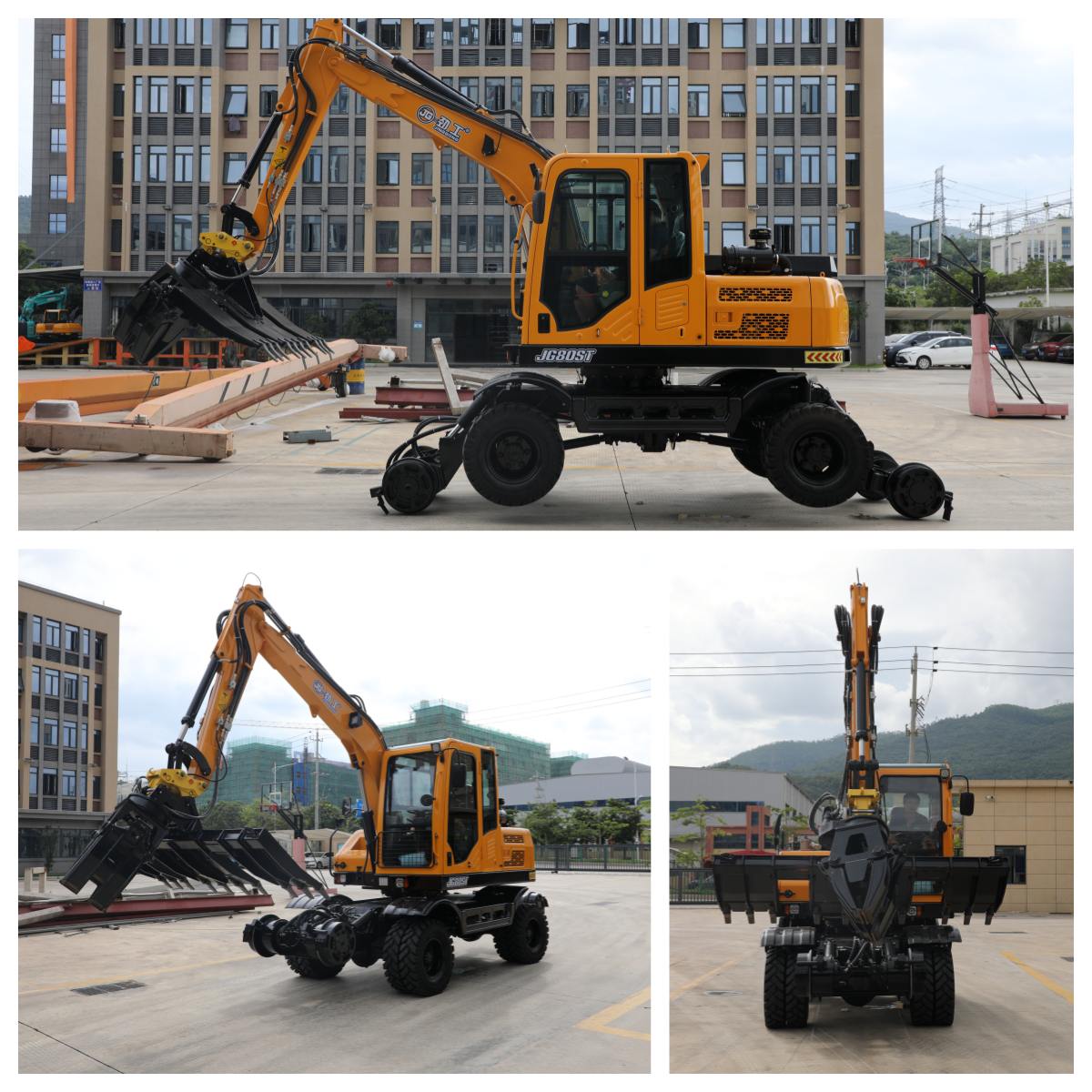
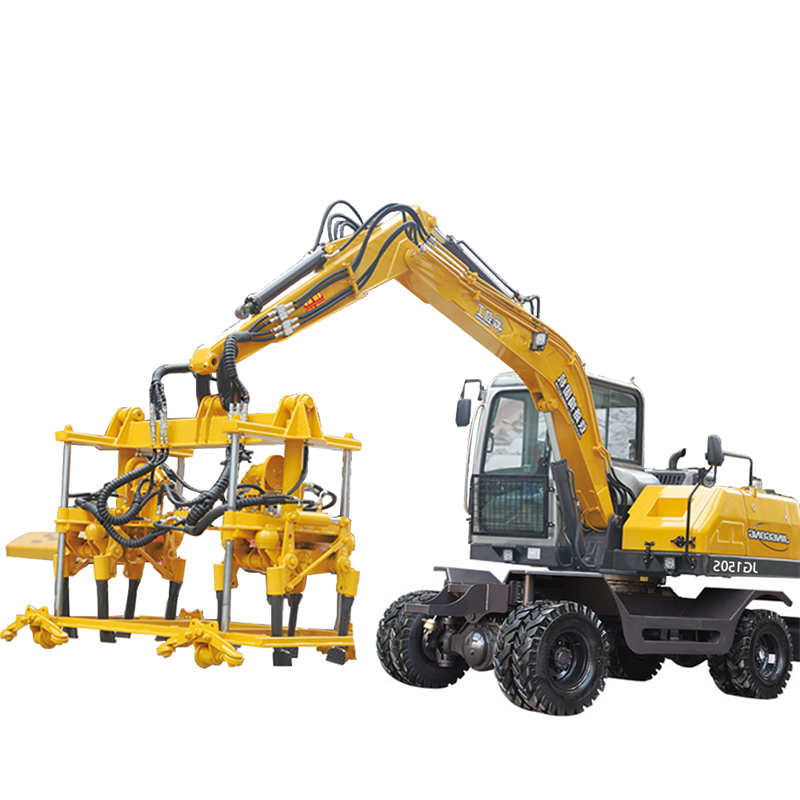
JG150ST is our 15-ton wheeled hi-rail workhorse, built for larger-scale recurring track-renewal assignments. It uses a 97 kW Cummins engine. Transport dimensions sit at 7600 × 2500 × 3200 mm; rear-swing radius is 2250 mm. It comes factory-fitted with multi-circuit auxiliary hydraulic outlets. This native multi-circuit hydraulic setup removes the need for complicated modification work, and it can power nearly the full range of dedicated railway maintenance attachments straight out of delivery. The factory default rail gauge is 1435 mm, and custom-gauge adaptation is available upon project request.
This platform targets periodic large-scale renewal work for heavily-used freight-carrying branch-lines. Fit it with sleeper-changing grapples, double-head tamping gear, ballast-shoulder regulators or screening buckets. A single host machine can sequentially carry out sleeper exchange, tamping work and ballast reshaping without time-consuming equipment swap-outs. This capability supports non-stop continuous-operation workflows required for medium-scale track-renewal shutdown windows.
Even so, its performance ceiling is bounded by ground conditions. It still counts on solid ballast-subgrade foundation. Simply adding higher machine tonnage cannot eliminate sinking risks once track-side ballast softens and loses its original bearing capacity.
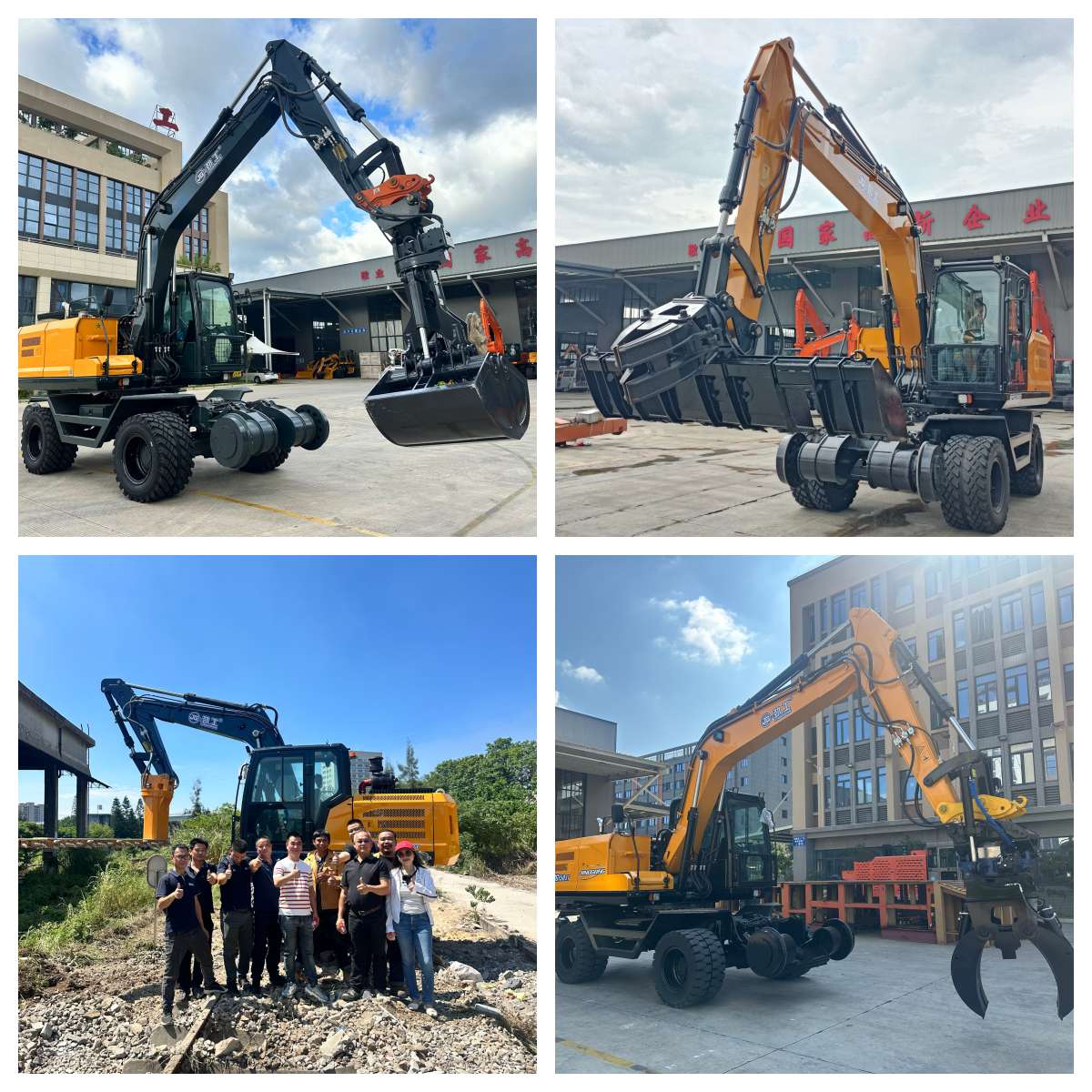
Suitable track-site conditions for wheeled hi-rail Wheeled hi-rail machines perform well alongside branch-line and freight tracks where the ballast shoulder remains compacted and stable. They are a solid fit for turnout work and scattered spot repair jobs carried out inside railway yards. They are also ideal for projects requiring frequent relocation between different track segments.
These machines are not recommended for track sections with severely softened ballast subgrade, or long-duration deep undercutting work inside tunnels.
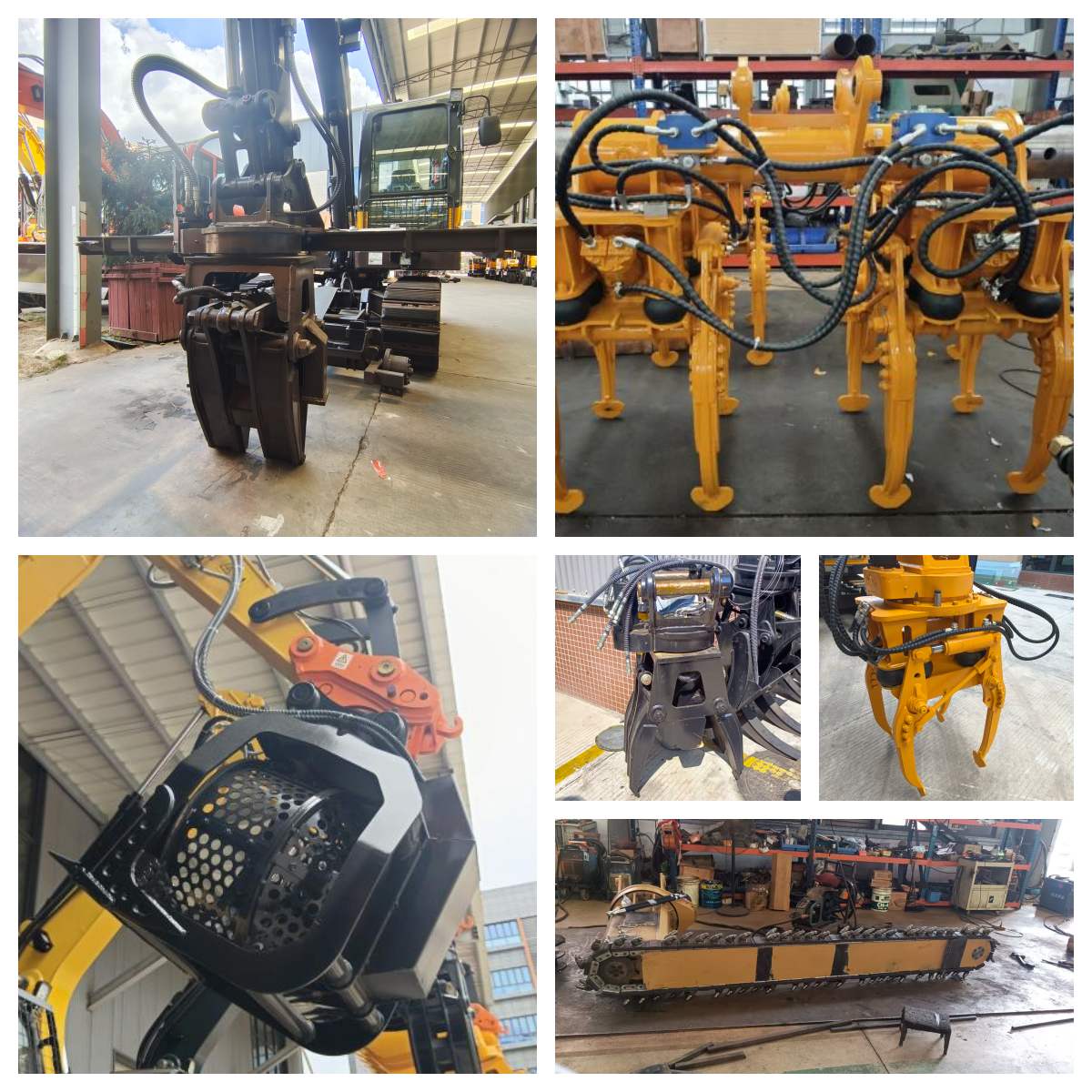
Crawler-based hi-rail machinery trades fast self-propelled road travel for dramatically improved ground-pressure distribution. Instead of concentrating total machine weight onto four rubber tyres, wide crawler track-shoes spread load across a much larger contact surface area. This core design improvement delivers greatly enhanced operational safety margins when working on weak, degraded ballast and poor-quality subgrade — exactly the high-risk locations where wheeled hi-rail platforms struggle and face subsidence danger.
You pay a clear trade-off for that stability gain: crawler hi-rail units lack fast independent highway-travel capability. Every long-distance highway transfer will require flatbed trailer logistics, adding planning lead-time and transport expense to your project budget. That cost factor needs full consideration during your equipment selection phase.
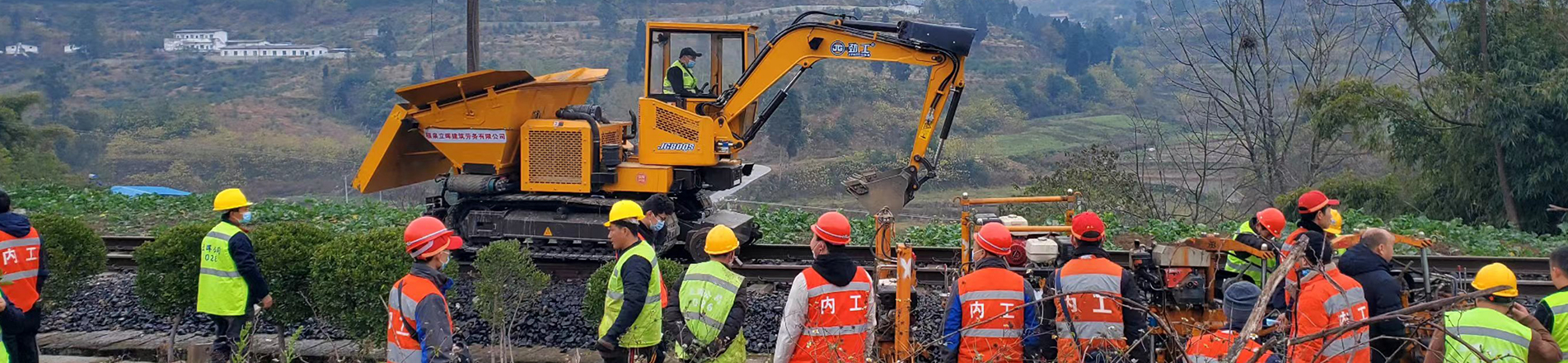
Weighing also 15 tons, JG150LT crawler-type unit gets power from a high-output 154 kW Cummins engine. Transport dimensions:7500 × 2800 × 3300 mm. Its 450 mm wide track shoes increase ground-contact area significantly, with minimum ground clearance ≥420 mm to mitigate sinking risks over soft ballast. It runs 20 km/h on rails, 5.5 km/h on off-track ground surfaces. It fits standard 1435 mm gauge and supports custom-gauge project-specific requirements. Its dedicated ballast-undercutting attachment delivers 4000 mm effective working length for deep full-depth track-bed cleaning tasks.
When heavy static working loads get applied over mucky, contaminated or low-bearing-capacity ballast, wheeled hi-rail units tend to sink steadily into the track-bed. Tunnel operating environments compound these hazards further: confined enclosed spaces, limited lateral ground support, plus decades-worth of built-up dirt inside the ballast layer. Deep ballast undercutting itself generates large static side-loading forces onto your machine chassis. This set of harsh operating conditions is exactly what the JG150LT is purpose-engineered to handle: full-depth removal of contaminated aged ballast, comprehensive tunnel track-bed overhaul, and remediation of subgrade defects alongside rail lines.
Suitable track-site conditions for crawler hi-rail Crawler hi-rail machines are designed for track sections with softened, low-bearing-capacity ballast shoulders. They are the preferred option for tunnel track-bed deep cleaning and rehabilitation work, as well as trackside zones where subsidence risks exist under static machine loads.
These machines are not suitable for projects that require frequent long-distance over-road relocation, since crawler units need flatbed trailers for all highway transit.
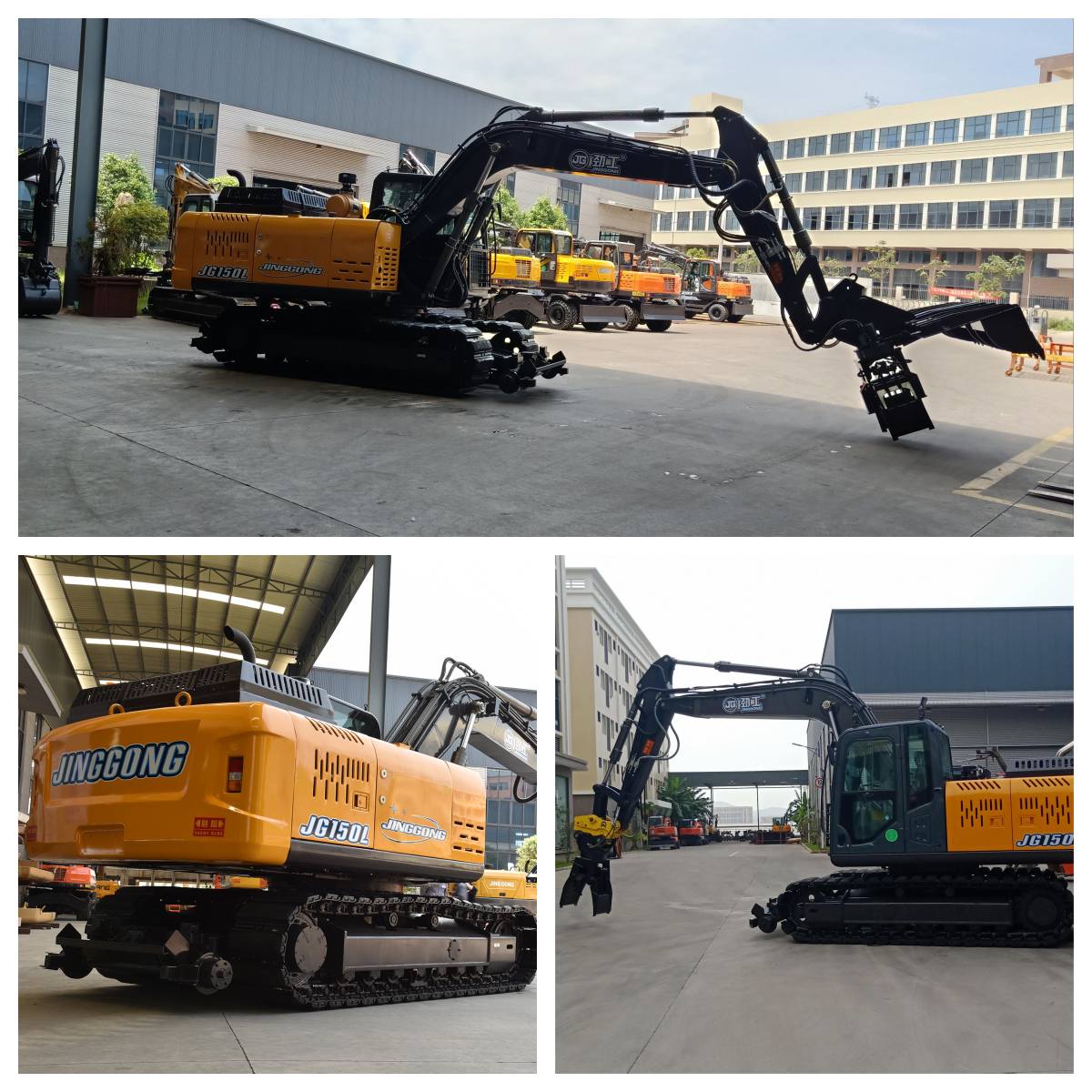
Note: All parameters are based on official product catalog; actual specifications are subject to real delivered machine.
| Model | Chassis Type | Operating Weight | Core-Fit Working Scenarios | Main Limitations |
| JG80ST | Wheeled hi-rail | 8-ton | Yard turnout spot repair, dispersed branch-line defect remediation | Requires well-compacted ballast; avoid long static parking on soft ballast |
| JG150ST | Wheeled hi-rail | 15-ton | Medium-scale freight branch-line periodic track renewal | Not for severely softened ballast or long-time tunnel deep undercutting |
| JG150LT | Crawler hi-rail | 15-ton | Soft-ballast zones, tunnel track-bed deep rehabilitation & ballast undercutting | Requires flat-bed trailer for long-distance highway transport |
Do not finalise purchasing decisions purely by flipping through manufacturer spec sheets. Successful hi-rail equipment selection always starts with honest on-site investigation. Walk through these practical site-assessment questions before submitting RFQs to suppliers.
1. What track classification do you primarily maintain: industrial branch-line, freight main-branch track, complex railway-yard turnout zones, or tunnel-enclosed track?
2. What is the real-world ballast and subgrade condition alongside rails? Is it well-compacted, or softened and suffering from insufficient bearing capacity?
3. Describe your regular maintenance scope: urgent emergency spot repairs, planned periodic track renewal, or heavy-duty deep ballast undercutting jobs?
4. Measure actual working clearance at critical locations, especially inside tunnels and crowded turnout zones.
5. How frequently will you need full cross-site relocation across geographically-separated work zones?
| Project Profile | Recommended Unit |
| Branch-line / yard scattered & periodic repairs, good ballast, frequent relocation | JG80ST / JG150ST (wheeled hi-rail) |
| Poor-bearing-capacity ballast sections, tunnel deep track-bed rehabilitation | JG150LT (crawler hi-rail) |
Correction: Simply increasing machine weight cannot grant reliable performance on weakened subgrade. Even heavy-spec wheeled hi-rail units will sink when working atop softened ballast. At identical tonnage ratings, crawler-type chassis delivers far superior stability thanks to its much-wider load-spreading track-shoe contact area.
Correction: Wheeled platforms perform excellently on stable, firm ballast. Deep ballast-undercutting operations create large static lateral loads that demand crawler-type undercarriage architecture. There exists no true one-size-fits-all chassis that can handle every possible railway-track working environment.
Correction: Crawler hi-rail units lack independent high-speed highway-driving capability. If your project portfolio involves constant cross-site mobilisation, repeated flatbed-trailer rental costs will stack up rapidly and badly hurt overall project economic efficiency.
Hi-rail maintenance machines operate under punishing real-world site stress: continuous mechanical vibration, flying sharp ballast debris, plus repeated hard impact loads from rail-wheel contact. Exactly like our mining and construction-focused equipment covered within earlier blog articles, these railway-specialised machines require consistent pre-shift inspection and structured periodic maintenance. High-quality reinforced factory build quality reduces overall failure probability, yet it can never remove the absolute necessity for daily visual walk-around checks and scheduled component-service routines.
Q: Can wheeled hi-rail machines operate on track sections with slightly softened ballast?
A: Short-term intermittent operation is acceptable. But you must strictly avoid leaving the machine parked static for long hours over softened ballast shoulders. If your project portfolio regularly sends crews into many poor-bearing-capacity track segments, you should seriously evaluate crawler-type hi-rail solutions.
Q: Can railway attachments be directly interchanged between wheeled and crawler host machines?
A: Most railway-purpose attachments share broadly-similar mechanical connection interfaces. Even so, you still must carefully verify host-unit hydraulic-flow output and full working-envelope limits before putting attachments into live field deployment.
Q: What is the recommended selection for projects covering both stable-ballast branch-lines and occasional tunnel overhaul?
A: Your equipment call should be driven by workload percentage breakdown. If the overwhelming majority of work takes place on branch-lines and railway yards while tunnel overhaul tasks only occur infrequently, keep wheeled hi-rail as your primary fleet solution and rent crawler-type units only for discrete tunnel-project phases. If tunnel-based and soft-ballast assignments represent a large percentage of your total contract scope, prioritise crawler hi-rail equipment from the beginning.
Tonnage and engine-power figures remain valid secondary reference points during hi-rail machine buying processes. Even so, they should never become your primary decision-making criteria. The performance specifications listed for JG80ST, JG150ST and JG150LT offer buyers a solid baseline understanding of each platform’s capabilities. Real-world on-site operational reliability is ultimately controlled by your actual line classification, ballast-subgrade bearing condition, physical working-clearance constraints, typical task scope, and cross-site relocation frequency.
Wheeled-platform JG80ST and JG150ST leverage their excellent self-propelled mobility for branch-line, freight-track and railway-yard maintenance assignments where ballast condition stays firm and compacted. The crawler-type JG150LT delivers targeted heavy-duty performance specifically for soft-ballast track zones and full-scale tunnel track-bed rehabilitation work.
Carry out thorough real-world site-condition assessment before diving deep into manufacturer specification brochures. This simple step will help you steer clear of expensive, project-crippling equipment-mismatch headaches later in your project lifecycle.
Note: All technical data is for reference only; final configuration shall be subject to delivered machine.
Request Your Custom Solution
Share details about your track classification, ballast-subgrade conditions and your typical maintenance work scope. Our engineering team will put together customised hi-rail equipment configuration advice tailored to your railway-track projects. We can provide targeted recommendations for JG80ST, JG150ST or JG150LT based on your real-world site constraints.
Send us your project details for a free quotation.