English
 Français
 Pусский
 Español
 Português
 ไทย
ไทย العربية
 िन्दी
िन्दी Indonesia
Solutions personnalisées pour l'entretien des voies

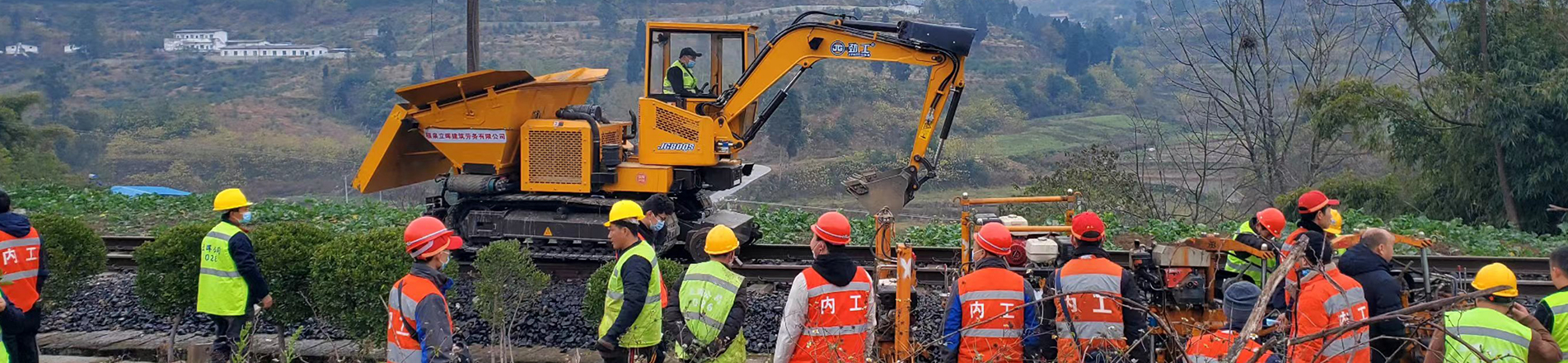
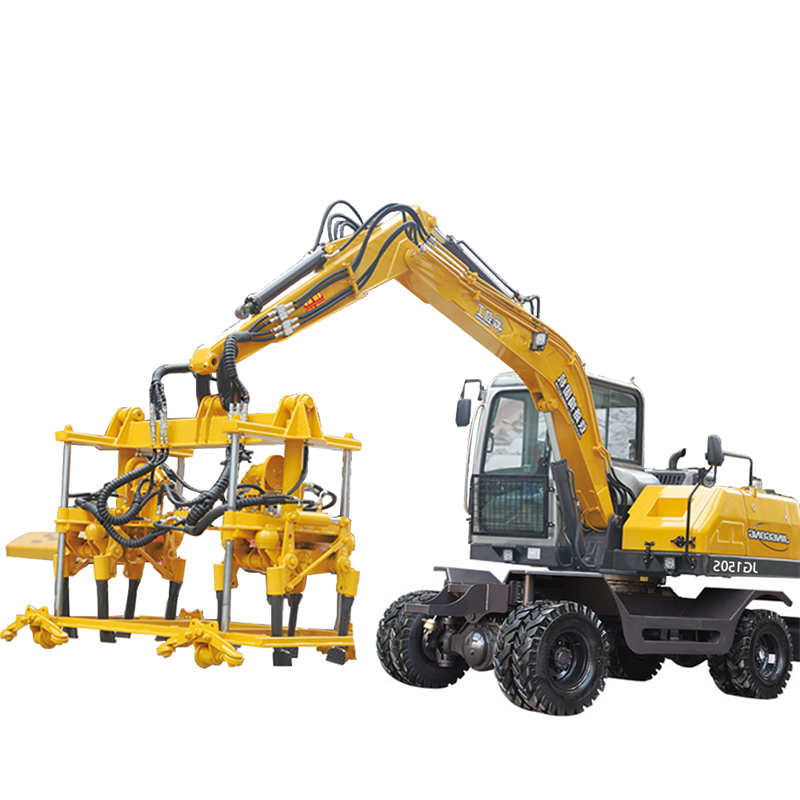
Lorsqu'il s'agit d'entretenir et de développer les artères vitales du transport mondial – nos réseaux ferroviaires –, le recours à des équipements spécialisés est indispensable. En première ligne se trouve la pelle ferroviaire, véritable bête de somme conçue pour répondre aux exigences spécifiques de la pose de voies, de la manutention du ballast, du nettoyage des fossés et des travaux de remblais. Pour les entreprises de travaux publics, les aménageurs d'infrastructures et les responsables des achats du monde entier, une question cruciale se pose sans cesse :« Combien coûte unbien« Le coût réel d'une excavatrice ferroviaire ? »
Comme pour la plupart des engins de chantier sophistiqués, la réponse est nuancée. Il est difficile de donner un prix précis, car l'investissement final dépend fortement de plusieurs facteurs essentiels, conçus pour répondre à vos besoins opérationnels spécifiques. Une machine d'occasion compacte, destinée à des tâches d'entretien léger, aura naturellement un prix très différent de celui d'une pelle hydraulique neuve de grande capacité, équipée pour des projets de rénovation de voies ferrées d'envergure, exigeant une puissance maximale et des fonctionnalités avancées.
Principaux facteurs de coût des excavatrices ferroviaires haut de gamme :
Spécifications et fonctionnalités principales :La taille (catégorie de poids – par exemple, 20 tonnes, 30 tonnes, 40 tonnes et plus), la puissance du moteur (ch/kW), la profondeur de creusement, la portée et la capacité de levage constituent les principaux éléments déterminant le prix. Les machines plus grandes et plus puissantes, conçues pour les travaux de terrassement intensifs et la manutention de volumes importants de ballast, ont intrinsèquement un coût de base plus élevé.
Ingénierie spécifique au secteur ferroviaire :C’est là que réside la véritable valeur. Une « bonne » pelle ferroviaire n’est pas une simple pelle standard sur chenilles ; elle est conçue spécifiquement pour cet usage ou profondément modifiée. Les coûts sont fortement influencés par :
Châssis:Le matériel roulant ferroviaire est robuste (motorisé ou à roulement libre), les roues sont robustes et, souvent, des systèmes de conversion route/rail sont nécessaires. La complexité et la qualité de ce système sont primordiales pour la sécurité et l'efficacité du trafic ferroviaire.
Stabilité et sécurité :Des contrepoids améliorés, une conception à centre de gravité bas et des stabilisateurs/tendeurs spécialisés sont essentiels pour une exploitation sûre sur le corridor ferroviaire étroit.
Environnement de l'opérateur :Cabines certifiées ROPS/FOPS, excellente visibilité pour l'alignement des voies et commandes ergonomiques conçues pour de longues journées de travail dans des conditions exigeantes.
Réputation et qualité de la marque :Les fabricants établis, forts d'une expertise reconnue dans les applications ferroviaires (tels que Kirow, Plasser & Theurer, Robel, Caterpillar Rail ou les équipementiers réputés proposant des kits ferroviaires dédiés), pratiquent des prix élevés. Ce surcoût reflète des décennies de recherche et développement, des tests rigoureux, une qualité supérieure des composants (hydraulique, moteurs, acier de construction) et la fiabilité indispensable pour minimiser les temps d'arrêt coûteux sur les projets ferroviaires critiques. Vous investissez dans l'excellence technique et la sérénité.
Technologie et accessoires :Les pelles hydrauliques modernes de « bonne qualité » intègrent souvent des fonctionnalités avancées qui augmentent le coût mais offrent une valeur ajoutée significative à long terme :
Télématique/GPS :Pour la gestion de flotte, le suivi de localisation et la surveillance des performances.
Hydraulique avancée :Pour un fonctionnement plus fluide, une meilleure efficacité énergétique et une compatibilité avec des accessoires sophistiqués.
Accessoires spécialisés :Bien que parfois achetés séparément, le besoin de systèmes d'attache rapide, de godets compatibles avec les rails (par exemple, des godets de nettoyage de ballast), de marteaux hydrauliques, de grappins ou de têtes de compactage influence le coût global de l'installation.
État et âge (neuf ou d'occasion) :Il s'agit d'un facteur déterminant majeur.
Tout neuf:Prévoyez un investissement maximal, généralement compris entre250 000 USD pour un modèle de base plus petit, et bien plus de 250 000 USDUSD pour un plus petit,basicmodeltowellover800 000 USD, voire plus de 1 000 000 USDPour des machines de grande taille, entièrement équipées et à la pointe de la technologie, conçues par des spécialistes ferroviaires de renom. Ce prix inclut les dernières technologies, une garantie complète et une usure nulle.
Qualité Occasion/Remis à neuf :Offre des économies importantes. Les prix peuvent varier de80 000 USD à 80 000USD à400 000 USD ou plusLe prix dépend fortement de l'âge, du nombre d'heures d'utilisation, de la marque, de l'état général, de la durée de vie restante des composants essentiels (comme le train de roulement) et de la qualité de la remise à neuf. Une machine méticuleusement remise à neuf par un concessionnaire réputé peut représenter un excellent investissement.
Investir au-delà du prix : la véritable valeur du « bien »
Bien que le prix d'achat initial soit crucial, définir une « bonne » pelle ferroviaire implique de se concentrer surCoût total de possession (CTP)Une machine bon marché qui tombe constamment en panne, qui manque de dispositifs de sécurité ou qui est inefficace coûtera beaucoup plus cher à long terme, car :
Temps d'arrêt excessif :Les pertes de productivité liées aux interruptions de service ferroviaire urgentes sont extrêmement coûteuses.
Coûts de réparation élevés :Pannes fréquentes et pièces détachées coûteuses.
Risques pour la sécurité :Risque d'accidents pouvant entraîner des blessures, des dommages aux voies et des poursuites judiciaires.
Inefficacité énergétique :Les moteurs plus anciens ou mal entretenus consomment plus de carburant.
Valeur de revente :Les marques de qualité conservent beaucoup mieux leur valeur.
Une pelle ferroviaire de qualité, même à un prix initial plus élevé, minimise ces risques. Elle offre :
Disponibilité et fiabilité maximales :Conçu pour résister aux conditions difficiles du milieu ferroviaire.
Productivité supérieure :Un fonctionnement efficace permet d'accomplir plus de travail par poste.
Sécurité renforcée :Protéger votre équipage et l'infrastructure.
Réduction des coûts d'exploitation :Meilleure efficacité énergétique et réduction des réparations imprévues.
Forte valeur résiduelle :La qualité conserve sa valeur.
Un partenariat pour votre réussite ferroviaire
Comprendre l'investissement que représente l'acquisition d'une pelle ferroviaire haut de gamme est la première étape. La suivante consiste à trouver le partenaire idéal qui propose non seulement une machine, mais une solution complète, forte d'une expertise reconnue, d'un support international fiable et d'une qualité irréprochable.